
The True Cost of Delaying Elevator Modernization Projects in San Antonio: A Strategic Guide for Commercial Property Owners
Elevator systems in San Antonio's commercial properties rarely announce their decline — they degrade gradually, accumulating costs that far exceed what a planned modernization project would require. Property owners who delay elevator modernization consistently spend more over time through rising repair bills, emergency service calls, energy inefficiencies, and tenant disruption than they would investing in a structured upgrade. In a market driven by healthcare, hospitality, and commercial growth, vertical transportation performance is not a secondary concern.
We put this guide together to give building owners and decision-makers a clear, factual breakdown of what deferred elevator modernization actually costs in San Antonio. The financial impact extends beyond maintenance budgets — it touches asset value, compliance exposure and operational reliability across commercial and industrial properties.
Throughout this resource, we address the most common questions property owners ask when evaluating elevator upgrade investments, covering cost drivers, downtime risks and when modernization makes more financial sense than continuing to repair aging systems.
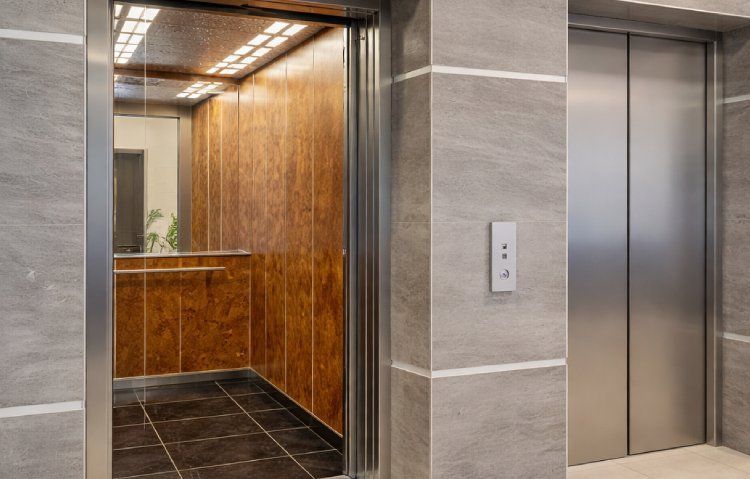
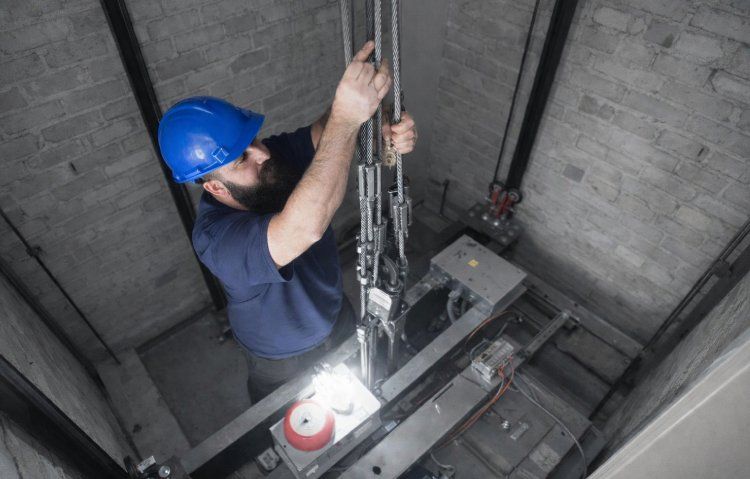
Industrial and Commercial Elevator Modernization Cost Realities in San Antonio
Delaying elevator upgrades in commercial properties in San Antonio causes financial strain, makes operations less efficient and creates compliance risks. These issues directly harm tenant retention, building performance and the long-term value of the property.
Elevator Lifecycle Cost Analysis and Modernization ROI
A cost analysis shows that the expenses from ongoing repairs and inefficiencies can quickly exceed the cost of modernizing old elevator systems. These systems need specialized workers, lead to more downtime, and use more energy, all of which raise operational costs over time. Property owners who wait too long to upgrade often deal with unexpected breakdowns and overspending, which can disrupt their financial planning and upset tenants.
Modernization brings advanced controls and energy-efficient parts that lower ownership costs and reduce maintenance expenses. This improves operational efficiency, increases reliability and builds tenant confidence.
Key lifecycle cost drivers include
- Rising maintenance costs compared to modernization investment
- Increased downtime losses impacting tenant productivity and revenue
- Obsolete components with limited parts availability
- Higher labor expenses for maintaining legacy systems
- Energy inefficiencies driving up utility costs
Elevator Downtime Cost and System Failure Risks
Elevator downtime costs commercial buildings money. In busy areas, even brief delays can disrupt operations, inconvenience tenants and damage the building's reputation. Older elevators are more prone to breakdowns, resulting in higher emergency repair costs and reduced reliability.
Unplanned outages can create safety risks and lead to legal issues. In healthcare, hotels and office buildings, they disrupt work, harm customer service and can cause accessibility problems and financial losses.
Operational risks tied to elevator downtime include
- Reduced productivity for tenants, employees and visitors
- Higher costs from emergency service calls and ongoing repairs
- Frustrated tenants and potential issues with lease renewals
- Safety risks that affect occupants and compliance requirements
- Damage to the building’s reputation and overall market competitiveness
Elevator Replacement vs Modernization Cost Comparison
Property owners often opt to modernize their systems instead of replacing them. Modernization is faster and more cost-effective, quickly improving performance without causing downtime.
Modernization updates controllers, drives and safety systems without replacing the entire infrastructure. This method reduces disruption and improves system reliability and efficiency. For most commercial properties, modernization offers a better return on investment and speeds up project completion.
Key advantages of modernization include
- Lower upfront capital costs compared to full system replacement
- Faster project timelines with minimal disruption to operations
- Improved reliability and smoother ride performance
- Enhanced safety and compliance with current regulations
- Increased property value without significant structural modifications
Strategic Planning, Compliance, and Long-Term Cost Control
Effective elevator modernization in San Antonio requires strategic planning, regulatory compliance and accurate cost forecasting to protect building performance, reduce risk and ensure long-term operational efficiency.
Elevator Compliance Upgrade Cost and Regulatory Risk
Outdated elevator systems can lead to regulatory violations, liability risks, and operational shutdowns. Compliance upgrades ensure adherence to safety codes and accessibility standards, protecting occupants and reducing legal and financial risks.
Modern systems include better safety features, tools for emergency communication and accessibility improvements that meet ADA standards. These upgrades help reduce risks and improve performance and reliability in different types of buildings.
Critical compliance upgrades include
- Fire and life safety system enhancements
- Emergency communication and monitoring systems
- Accessibility improvements for ADA compliance
- Advanced control systems for operational safety
- Real-time monitoring for performance tracking
Elevator Modernization Planning and Budgeting Services
Strategic planning makes modernization a manageable and predictable investment. By budgeting accurately and implementing changes in phases, we can reduce disruptions and save costs. Property owners benefit from clear timelines, specific goals and measurable results.
Professional planning services assess systems, prioritize upgrades and create cost-effective strategies to ensure smooth project execution and improved performance.
Planning benefits include
- Detailed cost breakdown and accurate budget forecasting
- Defined project timelines and implementation phases
- Reduced downtime through strategic scheduling
- Improved system performance and reliability
- Increased ROI through efficient resource allocation
Frequently Asked Questions
Hidden costs, downtime consequences, compliance risks and budgeting strategies are among the most important factors property owners need to understand before deciding whether to delay or proceed with elevator modernization in San Antonio.
What are the most common hidden costs that accumulate when an elevator modernization project is postponed?
The most immediate hidden cost is parts availability. Legacy elevator components become increasingly difficult to source, and when suppliers do carry them, prices reflect their scarcity. Labor costs follow the same pattern—technicians with experience on older systems charge premium rates.
Aging elevators can quietly increase budgets through high energy consumption. Older motors and hydraulic systems use more energy than modern ones, leading to higher utility bills every month.
We also see property owners underestimate the cumulative cost of emergency service calls. A single unplanned repair can cost thousands of dollars, and those calls tend to increase in frequency as systems age. Over a three-to-five-year period, emergency repair spending can approach or exceed the cost of a full modernization project.
Tenant dissatisfaction has financial implications. Lost lease renewals and reduced competitiveness in the San Antonio commercial market directly link revenue impacts to elevator performance.
How can repeated elevator downtime affect tenant retention, lease renewals, and overall building competitiveness?
Tenants in office, healthcare and mixed-use buildings depend on reliable vertical transportation. When elevators go offline repeatedly, even for short periods, it signals to tenants that the building is not being maintained to an acceptable standard.
In the competitive submarkets of San Antonio, tenants have choices. A building with a record of elevator outages can be a liability during lease renewal negotiations. Tenants may leverage these incidents to negotiate lower rents or decide not to renew their leases at all.
For healthcare facilities and hotels, the stakes are high. Delays in patient transport and guest inconvenience can harm their reputation and lead to long-term occupancy and revenue losses.
Which warning signs indicate an elevator has moved beyond routine repairs and should be modernized soon?
Several indicators suggest a system has moved from routine maintenance to modernization readiness:
- Frequent breakdowns occurring more than once per month per unit
- Parts sourcing delays extending repair timelines beyond 48–72 hours
- Slow response times and outdated control logic that cannot be reprogrammed
- Inability of the current service provider to maintain the system without specialized legacy expertise
- Failure to meet current safety codes, including ADA compliance and fire service operation requirements
- Rising repair costs that are trending upward year over year without a clear endpoint
When we see three or more of these conditions present simultaneously, modernization is typically the more cost-effective path forward compared to continued reactive repair.
How do modernization and full replacement compare in terms of capital cost, disruption, and project timeline?
Modernization typically involves replacing the core mechanical and control systems—motors, controllers, drives and safety components—while retaining the existing hoistway and cab structure. Elevators estimates modernization at approximately $175,000 per car, which is substantially less than full replacement in most commercial applications.
Full replacement necessitates modifications to the hoistway, longer project timelines, and significantly higher capital expenditure. It also leads to extended periods of elevator unavailability, causing greater disruption for building occupants.
Many commercial and industrial buildings in San Antonio can be updated to improve their functionality. This often costs less and takes less time than building a new structure. However, if the building is unsafe or does not meet local codes, it must be replaced.
What compliance and liability risks increase as elevator equipment ages and parts become obsolete?
Texas elevator regulations and local San Antonio inspection requirements set minimum safety standards for elevator operation. Aging systems with obsolete components are more likely to fail inspections, which can result in mandatory shutdown orders and fines.
When parts are no longer available, it becomes hard or even impossible to keep safety features that follow the code. This puts building owners at risk if an incident happens with equipment that cannot meet the required standards.
There is a growing risk related to ADA accessibility requirements. Many older systems may not meet today's standards for door timing, leveling accuracy or audible signals. If property owners do not comply with ADA rules, they could face civil claims and actions from federal authorities.
Insurance carriers are also paying closer attention to elevator maintenance records. A history of deferred modernization can affect coverage terms and claims outcomes following an incident.
What budgeting and phased-planning approaches can reduce disruption while keeping modernization costs predictable?
A reserve study is one of the most effective tools available to property owners. It forecasts elevator replacement and modernization timelines based on equipment age, condition and expected component lifespan—giving financial teams a defined planning horizon rather than reacting to failures.
Phased modernization spreads costs over several budget cycles. In buildings with multiple elevators, we recommend completing the work in stages. This way, at least one elevator will always be working, reducing disruptions and keeping the project on track.
Fixed-price contracts with clear scopes help avoid cost overruns. Property owners should prioritize upgrades—like controls, drives and door systems—by their operational importance to ensure measurable improvements in each phase.
You can find financing options for elevator modernization projects, including equipment financing and capital leases. These options can help lower the upfront costs. When you include these costs in your long-term asset management plans, you can make sure your modernization efforts support your overall property strategy instead of clashing with immediate budget needs.
Final Thoughts
Delaying elevator upgrades is not a good way to save money; it can lead to long-term costs. Old systems increase the risk of problems, raise maintenance costs and create compliance issues. These factors can hurt building performance and tenant satisfaction.
Updating systems regularly protects your assets and improves reliability while saving you money in the long run. Strategic upgrades give you clear benefits and help ensure safety, efficiency, and compliance in your commercial properties.
Request a detailed elevator services today and identify hidden operational losses before your next failure impacts tenants, compliance and revenue.