
Elevator Cab Button Replacement: Essential Safety Upgrades For San Antonio Buildings
Elevator buttons serve as the primary interface between passengers and your vertical transportation system, making their reliable performance essential for safety and accessibility. When buttons become worn, unresponsive or inconsistent, they can compromise user experience, create safety hazards and lead to costly code violations.
Consistent maintenance and timely replacement ensure your elevator remains compliant with ADA standards and continues operating without interruption. When controls are difficult to press, hard to read or missing accessibility features, passengers face unnecessary challenges. These issues can cause delays, reduce confidence in your equipment and increase the risk of accidents.
We deliver specialized elevator cab button replacement solutions designed to enhance safety, durability and usability. Our upgrades feature vandal-resistant components, crisp tactile and Braille markings and highly responsive mechanisms engineered to meet modern safety requirements. This level of precision protects your system, strengthens long-term performance, and supports a safer experience for every passenger.

Elevator Cab Button Replacement: Importance, Signs and Process
Elevator cab buttons are important for passenger safety and need regular upkeep and timely replacement. For safety, use professional replacement services. These services protect people in the building and make sure elevators meet safety rules.
Why Elevator Buttons Need Professional Replacement
Elevator buttons get pressed many times each day, which causes them to wear out over time. Hundreds of passengers use these buttons daily, putting a lot of stress on them.
Professionally replacing parts helps avoid system failures that might trap passengers or create emergencies. We recommend certified technicians handle all button replacements to ensure proper installation and system integration.
Button problems can lead to bigger issues with the elevator that affect the control system. Regular inspections and maintenance help find these problems early, before they become serious.
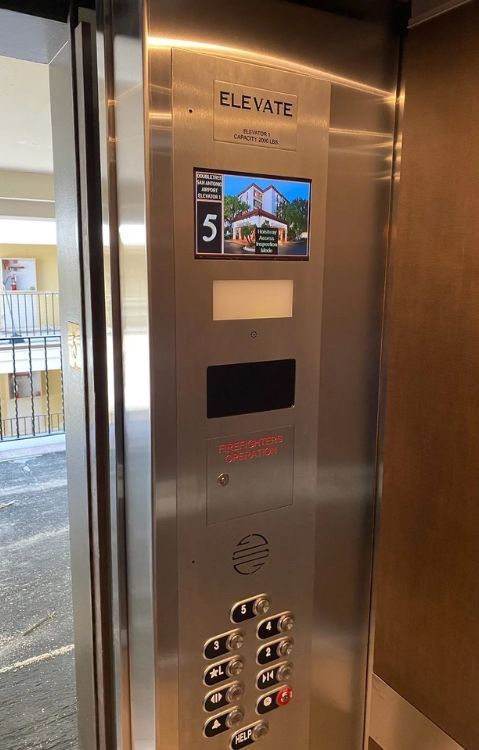
Common Indicators of Worn-out or Unresponsive Elevator Buttons
Physical Signs
- Sticky or jammed buttons
- Cracked or broken surfaces
- Missing or damaged button covers
- Faded or illegible floor numbers
Operational Issues
- Buttons that don't illuminate when pressed
- Delayed response to button presses
- Inconsistent floor registration
- Multiple presses required for activation
Look for these warning signs that mean replacement is needed right away. Building managers should find and address these problems during regular inspections.
Ensuring ADA Compliance and Enhanced Safety
Elevator buttons meet ADA standards and include tactile characters and Braille, helping visually impaired passengers identify them clearly and safely.
Key Compliance Features
- Minimum button size: 0.75 inches
- Raised character height: 5/8 to 2 inches
- Clear floor number labeling
- Correct height placement for accessibility
All replacement buttons follow accessibility standards, with routine testing to keep emergency controls and floor indicators fully functional and clearly visible.
Maintaining Elevator Reliability: Inspections, Repairs and Preventive Measures
To ensure that elevators work reliably, perform routine elevator maintenance and proactive inspections. Strategic preventive care minimizes unexpected downtime, extends equipment lifespan and ensures a safe, consistent experience for every passenger.
Role of Regular Inspections in Preventing Button Malfunctions
We inspect elevator buttons every 30 days, testing response, illumination and tactile feedback to catch early wear.
Visual inspections check for cracks, wear, and label clarity, while response times are measured to meet industry standards.
Documentation of each inspection helps track patterns and predict potential failures before they occur. This data-driven approach allows us to schedule replacements during low-traffic periods.
Benefits of Timely Repair and Replacement Services
Quick response to button issues prevents cascade failures in other elevator components. We maintain an inventory of compatible replacement parts to minimize repair wait times.
Our repair services include same-day emergency fixes for critical malfunctions. Pre-scheduled maintenance windows reduce impact on building operations.
We use premium, OEM-level components, and every replacement part is thoroughly tested before installation.
Call Us 210-277-7772
Mechanical Wear and Tear: Minimizing Downtime Through Proactive Care
Mechanical components receive monthly lubrication and adjustments, with checks on cable tension, pulley alignment and motor bearings to prevent wear.
Door mechanisms receive special attention as they're prone to heavy wear. Our team adjusts track alignments and replaces worn rollers before they fail.
Preventive maintenance reduces emergency repairs by up to 70%. We schedule major component replacements based on usage data and manufacturer recommendations.
Power Failures, Elevator Doors and Related Elevator Problems
Backup power systems undergo monthly testing to ensure reliability during outages. We verify proper operation of emergency lighting and communication systems.
Door sensors receive calibration checks to prevent dangerous malfunctions. Our technicians test safety edges and photo eyes during every inspection.
We maintain detailed logs of all power-related incidents and system responses. This helps identify patterns that might indicate deeper electrical issues.
Regular testing of door closing forces ensures compliance with safety standards. Electronic door controls get firmware updates as manufacturers release them.
Call Us 210-277-7772
Frequently Asked Questions
Elevator button replacement involves key safety, compliance and maintenance considerations that building owners need to understand. Our expert team deals with these questions daily when helping clients upgrade their systems.
What is the typical procedure for replacing buttons in an elevator cab?
We first power down the elevator system and secure the cab. Our technicians then remove the old button panels and disconnect the existing wiring.
We install new mounting hardware and connect the replacement buttons to the control system. Each button undergoes thorough testing before returning the elevator to service.
What duration should I expect for elevator button replacement work?
Simple button replacements typically take 2-4 hours per elevator cab. More complex panel upgrades that require rewiring may extend to 6-8 hours.
We schedule work during low-traffic periods to minimize disruption. Most installations complete within one business day.
Are replacement elevator buttons guaranteed to comply with ADA standards?
Our replacement buttons meet all current ADA requirements for size, height, and tactile elements. Each button includes proper Braille markings and raised numerals.
We verify proper button spacing and mounting heights during installation to ensure full accessibility compliance.
Can replacing worn elevator buttons improve the safety and functionality of my building?
New buttons show clear floor numbers and improve emergency communication. They respond quickly and reliably, more so than older buttons.
Updated buttons reduce the risk of mechanical failures that could trap passengers or cause service disruptions.
What customization options are available for new elevator button installations?
We offer buttons in various finishes including brushed stainless steel, polished brass, and bronze. Illumination options include white, blue or red LED indicators.
Custom engraving and specialized shapes can match your building's aesthetic. Anti-vandal button designs provide extra durability for high-traffic areas.
Call Us 210-277-7772