
Elevator Controller Upgrades in San Antonio, TX: Modernizing Systems for Safer and More Efficient Buildings
The performance of elevators has a significant impact on safety, tenant satisfaction, building operations, and the long-term value of a property. In a rapidly growing city like San Antonio, commercial buildings, healthcare facilities, hotels, residential towers, and mixed-use developments rely on reliable vertical transportation systems to ensure daily efficiency. When outdated elevator controls start to cause delays, breakdowns, and increasing maintenance costs, modernization becomes crucial.
We provide professional elevator controller upgrades in San Antonio, TX designed to improve operational reliability, energy efficiency, and passenger experience. Our modernization solutions replace aging technology with advanced control systems that deliver smoother rides, better diagnostics, and greater responsiveness without requiring complete elevator replacement.
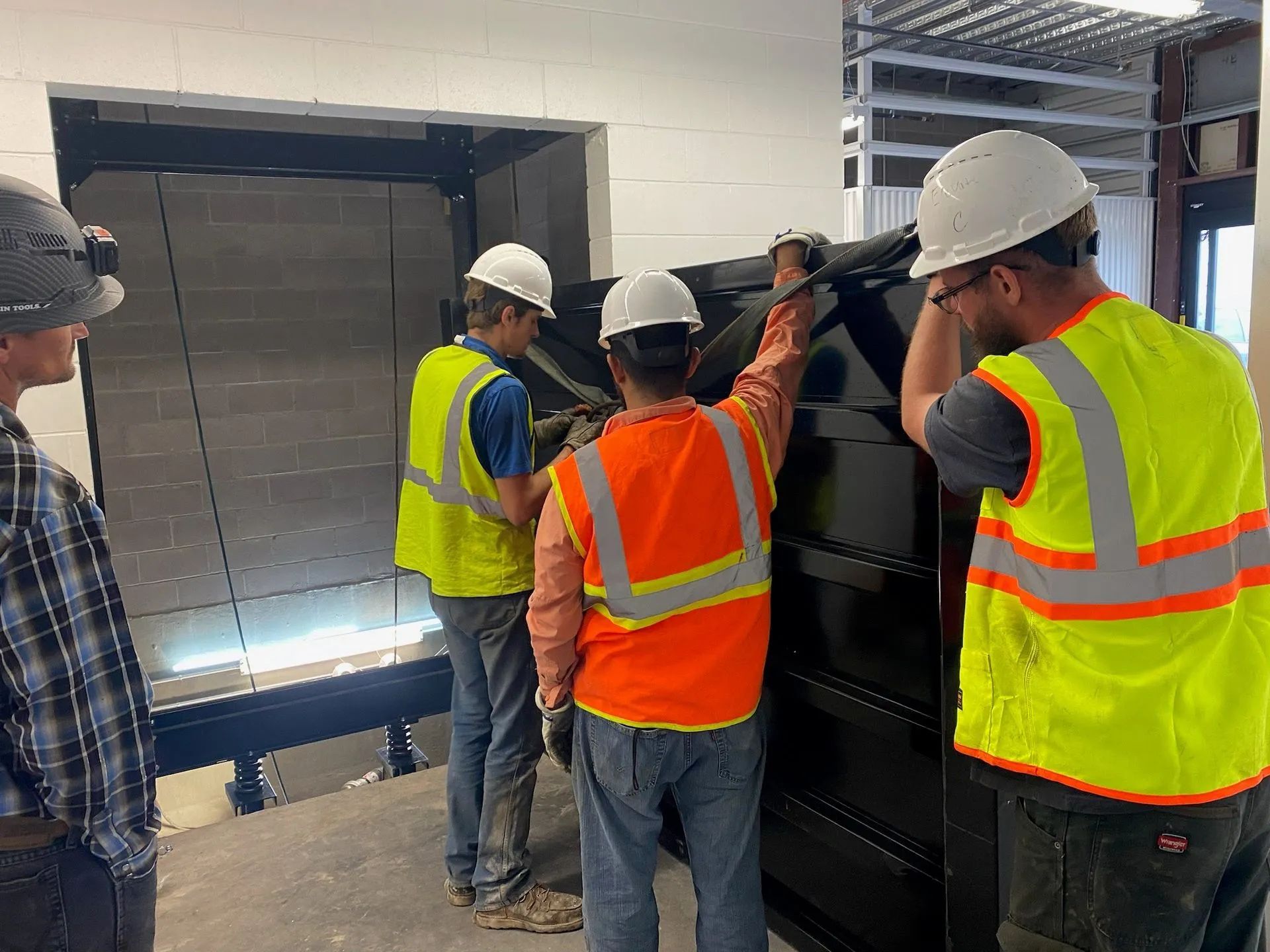
We evaluate each elevator system individually because each building has different traffic needs. We provide upgrades for controllers, software improvements, safety features, and performance enhancements. This helps property owners extend the life of their elevators while reducing downtime and lowering future maintenance costs.
Modern Elevator Controller Upgrades for Safer and More Efficient Building Operations
Modern elevator control technology upgrades old systems to make them smarter, safer, and more efficient. Our improvements enhance performance and help you meet regulations while keeping operations consistent.
Improve Elevator Safety and System Reliability Across Every Ride
Older elevator controllers often create operational inconsistencies including rough acceleration, delayed responses, inaccurate leveling, and unnecessary shutdowns. Our controller upgrades modernize essential control functions while improving reliability throughout the system lifecycle.
We use advanced technologies to improve consistency in operations and reduce service interruptions and the need for emergency repairs. We develop each modernization plan based on how the building is used, the amount of elevator traffic, and long-term performance goals.
Benefits include:
- Enhanced passenger protection systems
- Improved floor accuracy and leveling
- Faster response and dispatch times
- Reduced emergency service calls
- Better diagnostic monitoring
- Lower unexpected downtime
Reduce Energy Consumption With Intelligent Elevator Control Technology
Advanced controller systems help save energy by improving how motors work and cutting down on excess electrical use during operation.
Our controller upgrades help building owners cut operating costs and support sustainability. As buildings aim to boost their environmental performance and lower utility bills, running elevators efficiently becomes essential.
Our energy-focused solutions include:
- Variable frequency drive integration
- Intelligent traffic management
- Reduced standby power usage
- Improved motor efficiency
- Lower operating expenses
- Extended equipment lifespan
Comprehensive Elevator Controller Upgrade Services in San Antonio
We provide modernization services to improve performance while keeping disruptions to a minimum during implementation.
Elevator Controller Retrofitting and Software Modernization
Building owners can upgrade their elevators through controller retrofitting without replacing the entire system. First, we check if the existing hardware is compatible. Next, we assess the overall condition of the system. Finally, we consider the specific needs of the building before installing the new controls.
Modernizing software improves operational efficiency, communication, and monitoring for elevators. These advancements allow for better functionality and enhance the overall passenger experience.
Our services include:
- Controller replacement planning
- Software optimization updates
- Advanced programming configuration
- Improved dispatch algorithms
- Remote diagnostics capabilities
- Performance verification testing
Safety Enhancements and Regulatory Compliance Support
Safety is the top priority for every elevator modernization project we do. We create upgrades to improve safety measures while ensuring compliance with current codes and readiness for inspections.
We improve emergency systems and monitoring to lower operational risk and increase passenger confidence.
Our safety upgrades include:
- Emergency stop integration
- Enhanced interlock protection
- Door monitoring improvements
- Fault detection systems
- Inspection preparation support
- Ongoing compliance assistance
Advanced Elevator Features That Improve Passenger Experience
Modern elevator controller upgrades deliver measurable improvements beyond reliability by introducing technologies that create smoother and more intelligent building transportation.
Destination Dispatch and Smarter Traffic Management Systems
Destination dispatch technology transforms elevator traffic management in busy buildings. Instead of relying on traditional elevator calls, passengers are grouped by their destinations to reduce unnecessary stops.
This technology improves wait times and enhances building movement efficiency while supporting modern occupancy requirements.
Advantages include:
- Reduced waiting periods
- Better traffic distribution
- Increased transport efficiency
- Improved passenger flow
- Lower ride congestion
- Enhanced operational analytics
Real-Time Monitoring and Touchless Elevator Controls
Modern buildings require better visibility and convenience. Our enhanced controllers provide remote monitoring and optional touchless technologies to optimize system management.
These features allow proactive maintenance planning while creating a more convenient passenger experience.
Available capabilities include:
- Remote operational monitoring
- Predictive maintenance alerts
- Touchless floor selection
- Performance reporting dashboards
- Faster troubleshooting processes
- Reduced service interruptions
Frequently Asked Questions
Modernizing elevator controllers raises important questions about timing, costs, energy savings and how operations will be affected. It is crucial for building owners and property managers to understand how upgrades can impact ride quality, diagnostics, downtime, and budgeting. This knowledge helps them make informed decisions.
What signs indicate it's time to modernize an elevator control system rather than keep repairing it?
Frequent service calls are one of the clearest indicators of problems. When the same components fail repeatedly or when technicians cannot source replacement parts, repairs become increasingly expensive and unreliable.
Warning signs include uneven acceleration, unlevel floors, slow door responses, and extended wait times during busy periods. These issues indicate that the control system has limitations that repairs cannot permanently resolve.
When the cost of annual maintenance gets close to the cost of upgrading, replacing the controller often provides better long-term value. We check the age of the system, how often it fails, and how easy it is to find parts. This information helps building owners decide when it makes more sense to stop fixing it and choose an upgrade instead.
How long does a typical elevator controller modernization take, and how can downtime be minimized for occupants?
A standard elevator controller upgrade in a commercial or residential building generally takes between three and ten business days per elevator, depending on system complexity and the scope of work involved.
We schedule modernization work during times when there is less traffic, like nights, weekends, or slower hours, to keep disruptions to a minimum. In buildings with multiple elevators, we plan the upgrades carefully to make sure that at least one elevator is always working during the project.
Pre-ordering components before work begins also shortens installation windows significantly. Detailed pre-modernization assessments allow us to identify compatibility requirements and prepare accordingly, avoiding unexpected delays once work is underway.
How much can a controller and drive upgrade improve ride quality, leveling accuracy, and door performance?
Modern controllers and variable frequency drives work together to make acceleration and deceleration smoother. They do this by controlling motor speed throughout the trip. As a result, passengers feel less jolting when the vehicle starts and stops compared to older relay-based or analog control systems.
Floor leveling accuracy improves substantially. Contemporary control systems can achieve leveling tolerances within a few millimeters, reducing trip hazards and improving accessibility compliance. Older systems frequently miss floor level by a visible margin, which creates both safety and comfort problems.
Upgraded door operator controls improve door performance by precisely regulating how fast the doors open and close. This reduces stress on door parts and lowers the number of service calls related to doors. These calls are a common cause of elevator downtime in older systems.
What energy-saving features can modern elevator controls add to reduce electricity use and operating costs?
Variable frequency drives are highly effective energy upgrades. They adjust motor speed based on load and demand, instead of running at full power all the time. This change helps reduce electricity use during each operating cycle.
Standby mode programming allows the elevator to use less energy when it is not in use for a long time. Regenerative drive technology, found in some systems, captures energy created when the elevator stops and sends it back to the building's power supply instead of letting it go to waste as heat.
Smart dispatching software cuts down on unnecessary elevator trips by grouping passengers going to similar floors. This can reduce energy use for elevators. This is especially important for buildings in San Antonio that want to earn sustainability certifications or are dealing with rising utility costs.
How do upgraded controllers improve diagnostics, remote monitoring, and preventive maintenance planning?
Modern elevator controllers have built-in diagnostic systems that track important information. They log data such as how many times the doors open and close, how well the motor is performing, how accurately the elevator levels, and any faults that occur. This data is available in real-time through remote monitoring platforms.
We can identify developing issues before they cause a breakdown. For example, a pattern of repeated door faults or inconsistent leveling data may indicate a mechanical component approaching failure, allowing us to schedule a repair proactively rather than responding to an emergency.
Remote monitoring reduces the need for regular in-person checks since you can access condition data anytime. This change allows maintenance to focus on the actual condition of equipment instead of sticking to a fixed schedule. A condition-based approach is usually more accurate and costs less over time.
Are elevator controller upgrades considered a capital building improvement, and how are they typically budgeted?
Updating an elevator controller is considered a capital improvement, not just a maintenance cost. This is important because capital improvements can be spread out over time for depreciation and may get different tax benefits compared to regular operating expenses.
Many building owners plan controller upgrades as part of their multi-year budgets. Upgrading can help equipment last longer and lower repair costs. Because of these benefits, it makes more sense to treat these upgrades as capital expenses instead of regular maintenance items in the budget.
Financing options vary by ownership structure. Some building owners use equipment financing or lease arrangements to spread costs over time, while commercial property managers may incorporate elevator modernization into larger renovation budgets. We work with building owners and managers to provide accurate project scoping so costs can be planned accurately well in advance.
Upgrade Your Elevator System With Elevate Enterprises Today
Outdated elevator controls can increase downtime, reduce tenant satisfaction, and drive unnecessary operating expenses.We deliver customized elevator controller upgrades in San Antonio, TX that improve safety, reliability, efficiency, and long-term system performance.
Contact our team today to
schedule your consultation and discover how our elevator modernization solutions can transform your building’s vertical transportation experience.