
Elevator Hazard Assessment in San Antonio, TX: Proactive Safety Solutions for Reliable Vertical Transportation
Elevator safety is a critical responsibility for property owners, facility managers, and building operators throughout San Antonio, TX. As one of the largest cities in Texas, San Antonio continues to experience significant residential, commercial, healthcare, hospitality, and mixed-use development growth. With thousands of elevators transporting passengers daily, maintaining safe and compliant equipment has never been more important. We provide comprehensive elevator hazard assessment services designed to identify risks before they become costly failures or safety concerns.
Our elevator hazard assessment specialists evaluate your
vertical transportation system to find problems, old equipment, and areas where operations may be unsafe or not meet safety regulations. We conduct detailed inspections and risk analyses to help building owners make smart choices that improve reliability, extend equipment life, and reduce liability risks. Whether your property has hydraulic, traction, freight, or machine-room-less elevators, our assessments provide clear recommendations.
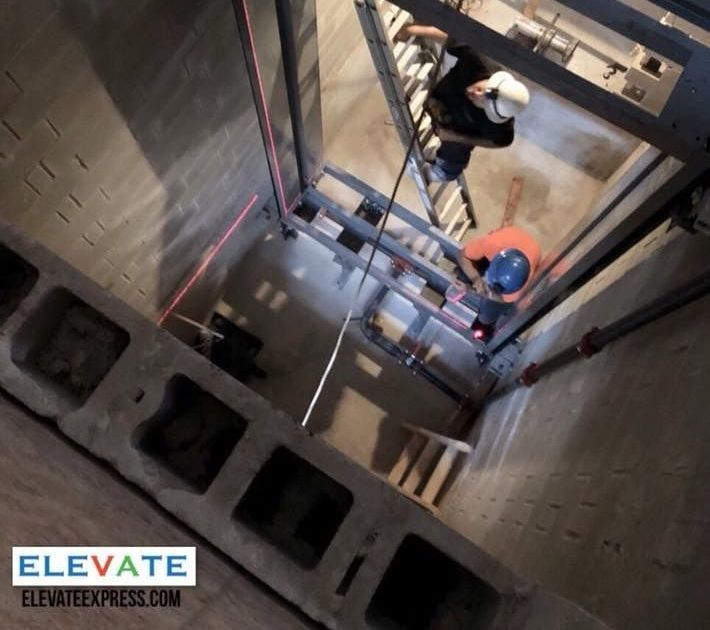
San Antonio's diverse building landscape includes office towers, hotels, healthcare facilities, universities, government buildings, apartment communities, and industrial facilities. Each property presents unique operational demands. We tailor our elevator hazard assessment process to your equipment, usage patterns, maintenance history, and regulatory requirements. Our goal is simple: help you maintain safer elevators, minimize downtime, and protect building occupants while supporting long-term asset performance.
Why Elevator Hazard Assessments Matter for San Antonio Buildings
As elevator systems get older and are used more frequently, hidden dangers can appear without warning. It is important to conduct regular safety assessments. This helps us spot risks early, improve how the system works, and meet safety rules for buildings in San Antonio.
Identifying Hidden Elevator Safety Risks Before Failures Occur
Many elevator hazards go unnoticed until there is a breakdown, entrapment, or safety incident. Our thorough hazard assessments identify problems like mechanical wear, electrical issues, door system malfunctions, and unusual operations that could put passenger safety at risk. We help property owners fix these vulnerabilities before they turn into emergencies through systematic evaluations.
Common risks we evaluate include:
- Worn hoist cables and suspension components
- Faulty door operators and sensors
- Aging electrical equipment
- Brake system deterioration
- Hydraulic leaks and pressure issues
- Control system irregularities
- Emergency communication failures
- Excessive vibration or noise conditions
Addressing concerns early can help prevent service interruptions, increase passenger confidence, and extend the life of important elevator equipment.
Supporting Compliance with Elevator Codes and Industry Standards
Regulatory compliance is essential for owning and managing elevators. Our hazard assessments check systems against safety standards, accessibility rules, and inspection procedures. This ensures compliance and helps reduce liability risks.
We assess compliance-related factors including:
- Elevator safety code requirements
- Accessibility standards
- Fire service operations
- Emergency communication systems
- Machine room conditions
- Required safety devices
- Inspection readiness
- Documentation accuracy
Our findings outline corrective actions to help building owners avoid penalties, failed inspections, and operational disruptions while ensuring safe environments for occupants and visitors.
Comprehensive Elevator Hazard Assessment Services
Our thorough evaluation process examines every major elevator subsystem to identify existing hazards, potential risks, and avenues for performance improvements throughout the equipment lifecycle.
Full-System Elevator Inspections and Risk Evaluations
A good hazard assessment looks at more than just what you can see. We closely check the mechanical, electrical, and operational parts of the elevator. This helps us understand its condition and the risks involved.
Our inspection process includes:
- Machine room evaluations
- Controller assessments
- Motor and drive inspections
- Door system testing
- Safety circuit verification
- Hydraulic equipment reviews
- Ride quality analysis
- Emergency operation testing
This approach helps us find immediate problems and predict future issues that may need monitoring, maintenance, repair, or updates.
Preventive Maintenance Planning and Operational Recommendations
Hazard assessments help us understand the long-term health of elevator equipment. We identify current issues and provide recommendations to ensure reliability, safety, and cost-effective maintenance.
Our recommendations often include:
- Preventive maintenance schedules
- Component replacement priorities
- Modernization planning guidance
- Safety improvement opportunities
- Performance optimization strategies
- Compliance upgrades
- Lifecycle management planning
- Budget forecasting support
These recommendations help property owners reduce emergency repairs, extend the life of their equipment, and improve how well their elevators run.
Common Elevator Hazards We Identify and Address
Every elevator system wears out over time. We assess the common safety risks that can affect how well elevators work, their reliability, and passenger safety in buildings across San Antonio.
Mechanical and Electrical System Deficiencies
Mechanical and electrical parts are important for elevator safety. Small problems can become serious if not fixed. We check the equipment to find any wear and operational issues before they lead to major failures.
We commonly identify:
- Motor performance issues
- Control board failures
- Wiring deterioration
- Excessive component wear
- Improper equipment adjustments
- Relay and contactor problems
- Brake assembly deficiencies
- Hydraulic system irregularities
Addressing these issues early helps improve reliability while reducing repair costs and minimizing elevator downtime.
Door System Hazards and Emergency Preparedness Concerns
Elevator door incidents pose safety risks. We check how the doors work and make sure passenger protection systems are in place. We also review emergency features to ensure safety and reliability.
Our evaluations include:
- Door sensor functionality
- Door alignment verification
- Closing force measurements
- Emergency lighting assessments
- Communication device testing
- Fire recall functionality
- Backup power considerations
- Emergency response readiness
We help create safer environments for passengers by making sure these systems work well. This also improves our emergency preparedness throughout the building.
Frequently Asked Questions
Regular elevator hazard assessments help building owners identify safety risks, meet compliance requirements, and prioritize maintenance. Here are answers to common questions from property managers, facility directors, and commercial building owners in San Antonio.
How often should commercial buildings schedule professional elevator hazard assessments for maximum safety compliance?
Many commercial properties need annual elevator hazard assessments. However, buildings with heavy use may need these evaluations more often. The schedule for assessments depends on how much the elevator is used, how old the equipment is, and its maintenance history.
Regular assessments help us find problems before they become serious safety issues. Detecting these problems early cuts repair costs, reduces downtime, and makes elevators more reliable.
Property owners should keep a regular schedule for assessments. This helps them meet safety codes, protect the safety of occupants, and keep equipment working well throughout the building's life.
What elevator components are thoroughly inspected during a professional hazard assessment and evaluation?
A complete elevator hazard assessment looks at key areas to ensure safety. It checks the mechanical systems, electrical parts, controllers, doors, safety circuits, emergency communication devices, and performance indicators.
We inspect machine rooms, drive equipment, door operators, cables, hydraulic systems, brakes, sensors, and control panels. Each component plays a vital role in safe elevator operation.
The goal is to find problems, possible failure points, and code compliance issues that could affect passenger safety, system reliability, or maintenance needs in the future.
Can elevator hazard assessments help prevent expensive emergency repairs and unexpected equipment shutdowns?
Hazard assessments help find hidden problems before they cause expensive breakdowns or emergency service calls. By addressing issues early, you can reduce disruptions to your operations.
Elevators can fail over time because parts wear out, they age, or they don't get enough maintenance. Regular checks can find these problems before they get worse.
When property owners address problems early, they make their elevator systems more reliable. This saves money on repairs and helps avoid surprise outages that can inconvenience tenants, visitors, and building occupants.
Why are elevator door systems considered one of the most important safety inspection areas?
Elevator doors experience constant use and remain one of the most active components within the entire system. Even minor malfunctions can create significant passenger safety risks.
To ensure smooth operation, door sensors, operators, tracks, rollers, and safety edges must work properly. If any parts are faulty, they can cause doors to close incorrectly, operate slowly, or lead to passenger injuries.
Our hazard assessments thoroughly evaluate door performance to identify wear, alignment issues, and sensor failures that could compromise elevator safety and reliability.
Do older elevators require more frequent hazard assessments than modern elevator systems today?
Generally, yes. Older elevator systems often contain aging components that experience greater wear and may not include modern safety technologies found in newer equipment.
As elevators age, their mechanical and electrical systems become more prone to failures, performance issues, and compliance difficulties. Regular evaluations are essential for effectively managing these risks.
Regular hazard assessments help building owners identify important repairs, plan updates, and ensure safety, even with the issues caused by old infrastructure.
How do elevator hazard assessments support building compliance with safety regulations and standards?
Hazard assessments check equipment to ensure it meets elevator safety codes, accessibility requirements, inspection criteria, and operational standards. This helps find any compliance issues.
Our evaluations provide detailed documentation outlining safety concerns, recommended corrective actions, and areas requiring attention before official inspections occur.
Ensuring compliance minimizes liability risks, avoids penalties, facilitates successful inspections, and shows a commitment to passenger safety, accessibility, and responsible building management.
Schedule Your Elevator Hazard Assessment in San Antonio, TX Today
Elevator safety starts with proactive planning. Our elevator hazard assessment services help property owners and facility managers identify risks, improve compliance, and maintain reliable elevator performance.
Whether you manage a commercial, residential, healthcare, or hospitality property, we provide detailed evaluations tailored to your building's needs.
Contact us today to schedule your assessment in San Antonio, TX and keep your elevators safe, compliant, and operating at their best.