
Elevator Machine Room Design & Compliance: Engineering Safe, Code-Compliant Infrastructure for High-Performance Vertical Transportation Systems
Reliable vertical transportation systems begin long before an elevator cab moves between floors. An effective elevator installation depends on a well-designed machine room. This room contains the motors, controllers, drives, and electrical systems that ensure the elevator operates safely. Good design of the machine room helps elevators work reliably and follow important building codes and safety rules.
In rapidly growing metropolitan areas like San Antonio, modern commercial towers, healthcare facilities, hotels and residential buildings rely heavily on well-planned elevator infrastructure. A poorly designed machine room can create safety hazards, inefficient maintenance conditions and costly regulatory violations. Professional design and compliance planning ensures every component is positioned for performance, serviceability and code adherence.
Expert elevator machine room engineering protects the building’s vertical transportation investment. Every part of the elevator system, including ventilation, electrical layout and safety spaces, must follow national safety codes and modern building standards. The machine room is like the command center for the elevator. Good design is the plan that keeps everything working safely and efficiently.
Call Us 210-277-7772
Industrial & Commercial Elevator Machine Room Design
Industrial facilities and commercial buildings demand robust elevator machine room engineering capable of supporting heavy equipment, high passenger volumes, and strict building regulations. Proper planning ensures safe operations, efficient maintenance access and long-term equipment performance.
Industrial Elevator Machine Room Infrastructure Planning
Industrial facilities require specialized elevator infrastructure planning to accommodate freight elevators, high-capacity passenger systems and heavy mechanical components. Machine rooms must provide structural integrity, electrical capacity and safe maintenance access.
Elevator design consultants evaluate what each building needs and create machine rooms that ensure elevators run smoothly in tough conditions. By placing equipment strategically, they reduce maintenance risks and improve reliability.
Key industrial machine room design considerations include
- Structural support for elevator motors and drive equipment
- Adequate ventilation and environmental temperature control
- Electrical infrastructure capacity and grounding systems
- Vibration isolation and noise reduction engineering
- Safe technician clearance for inspection and maintenance
- Fire safety protection and emergency shutdown systems
Good elevator planning reduces downtime and ensures that buildings follow industry rules and safety standards.
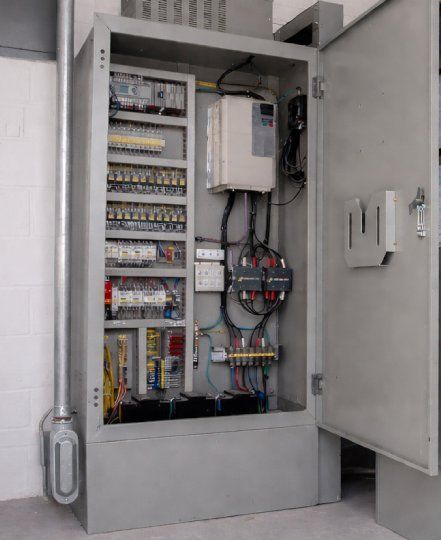
Elevator Machine Room Layout & Equipment Placement
A well-organized elevator machine room helps technicians safely access and maintain important parts. Poor layouts can create safety risks, make servicing harder, and cause equipment to overheat.
Professional elevator equipment placement design focuses on accessibility, safety clearances and organized electrical systems. Proper layout planning ensures that motors, controllers, and drives operate efficiently while allowing service technicians to perform inspections without difficulty.
Essential machine room layout requirements include
- Clearance space around motors, controllers and electrical panels
- Clearly labeled electrical disconnect switches
- Accessible service pathways for technicians
- Dedicated lighting and emergency power systems
- Organized control panel placement
- Safe routing of cables and electrical conduits
Efficient elevator system layout planning improves maintenance accessibility and significantly enhances long-term system performance.
Elevator Machine Room Construction & Engineering Integration
During new construction projects, elevator machine room construction design must integrate with the building’s structural, electrical and mechanical systems. This collaboration ensures elevator performance aligns with architectural and engineering specifications.
Vertical transportation consultants work with project teams to make sure machine rooms follow safety codes and run efficiently. They plan carefully to help avoid construction delays and costly redesigns.
Elevator machine room construction coordination typically involves
- Coordinate with architects and structural engineers
- Design electrical systems and power distribution
- Integrate mechanical ventilation systems
- Reinforce structures for elevator machinery
- Install fire safety and protection systems
- Ensure compliance with national elevator codes
Early involvement of elevator engineering specialists ensures seamless machine room integration within the building infrastructure.
Call Us 210-277-7772
Elevator Machine Room Code Compliance & Safety
Elevator machine rooms must comply with strict safety regulations, electrical standards, and mechanical codes. Compliance consulting helps ensure that equipment rooms follow national safety standards. This protects both building occupants and maintenance staff.
Elevator Machine Room Inspection & Electrical Compliance
Elevator machine room inspections check that equipment is installed according to safety rules and operational standards. These checks find hazards before they become costly problems or safety risks.
Elevators rely on dependable electrical systems. Always make sure motors and control equipment are grounded. Use dedicated circuits to keep everyone safe.
Key machine room compliance inspection factors include
- Electrical grounding and circuit protection
- Equipment clearance and maintenance access distances
- Emergency lighting and safety signage
- Fire safety systems and environmental protection
- Lockout/tagout procedures for maintenance technicians
- Electrical panel labeling and surge protection systems
Regular compliance inspections ensure elevators operate safely while maintaining regulatory approval.
Elevator Machine Room Ventilation & Temperature Control
Elevator equipment generates heat while it works, especially from drive motors, controllers and electrical systems. If there isn't enough ventilation, temperatures can rise quickly and harm sensitive parts.
Elevator machine room ventilation design ensures stable operating temperatures that protect equipment and prevent system failures.
Engineers check how much heat is generated and create ventilation plans to keep the environment comfortable.
Effective ventilation systems typically include
- Mechanical exhaust fans for heat extraction
- Dedicated air conditioning systems for large installations
- Temperature monitoring sensors and alarms
- Airflow routing to prevent equipment overheating
- Redundant cooling systems for mission-critical buildings
- Preventative maintenance monitoring technology
Proper ventilation keeps elevator systems operating efficiently and significantly extends equipment lifespan.
Frequently Asked Questions
Knowing how to design and comply with elevator machine rooms helps building owners make better choices about their elevators. Here are some questions that address common issues related to machine room safety, planning, modernization, and rules that must be followed.
What is an elevator machine room and why is it essential for elevator systems?
An elevator machine room houses the motors, controllers, electrical panels, and drive equipment responsible for elevator movement. This dedicated space acts as the operational control center of the vertical transportation system.
Good machine room design is essential for safe equipment operation. It also gives technicians enough access for inspections and repairs. Key factors include maintaining proper clearance distances, ensuring good ventilation, and following electrical safety guidelines.
Without proper engineering, machine rooms can create maintenance hazards, system failures, and costly code violations.
Which building codes and safety regulations apply to elevator machine room design requirements?
Elevator machine room design must comply with national elevator safety codes, building regulations, and electrical standards. These regulations govern equipment placement, fire protection, electrical systems, and maintenance access requirements.
Compliance consulting makes sure that machine rooms meet all required standards before they are installed or updated. This helps avoid penalties and delays in construction.
Proper compliance protects building occupants while ensuring elevators operate safely under demanding conditions.
Why is proper ventilation necessary inside elevator machine rooms for reliable system operation?
Elevator machinery generates a lot of heat during operation. Motors, drives, and electrical parts create thermal loads that need to be controlled. If not managed, this heat can cause overheating and lead to early equipment failure.
Proper ventilation systems keep machine rooms cool by using airflow or cooling equipment. Temperature sensors monitor heat levels and alert us to any unusual changes.
Effective ventilation extends equipment lifespan and prevents operational disruptions caused by overheating components.
When should building owners consider modernizing their elevator machine room infrastructure systems?
Elevator machine room modernization is recommended when equipment becomes outdated, inefficient, or non-compliant with modern safety codes. Aging systems may struggle to meet current performance demands.
A professional evaluation finds ways to upgrade motors, drives, electrical systems, and control systems. Updating these components often makes them more reliable and energy-efficient.
Upgrading machine room infrastructure ensures elevators continue operating safely while extending the overall system lifecycle.
Can older commercial buildings upgrade existing elevator machine rooms to meet current safety codes?
Older buildings can upgrade their elevator machine rooms through retrofit engineering and modernization planning. Retrofit projects make it possible to adjust existing structures to use modern elevator technologies.
Common improvements include replacing outdated controllers, upgrading electrical panels, improving ventilation systems, and optimizing equipment layouts.
These upgrades bring older elevator systems into compliance with modern safety standards while improving performance and reliability.
How does professional elevator machine room consulting improve safety, compliance and equipment reliability?
Elevator consultants check all parts of machine room design. They focus on the layout, ventilation, electrical systems, and following regulations. Their knowledge ensures that the systems are safe and meet strict standards.
Consultants identify potential hazards, optimize equipment placement, and recommend modernization strategies that enhance system performance.
Planning ahead helps reduce downtime, prevent expensive violations, and ensure elevators work reliably for building owners and their tenants.
Schedule an Elevator Machine Room Design Consultation
Whether planning a new building or upgrading existing infrastructure in San Antonio, professional elevator machine room design and compliance consulting ensures safe, efficient vertical transportation systems.
Expert engineering guidance helps building owners avoid costly mistakes, meet regulatory requirements and optimize elevator performance.
Schedule a consultation today to evaluate your elevator machine room design and compliance needs. Your building—and everyone riding those elevators—depends on it.