
Elevator Modernization Costs in San Antonio TX: Strategic Investment Guide for Property Owners
San Antonio is growing quickly and has become the seventh-largest city in the United States. This growth has created a strong need for reliable elevator systems in its various buildings. Historic buildings along the River Walk, modern towers in The Pearl district and growing medical facilities all face issues with aging elevators. These challenges also present opportunities for property owners throughout the metropolitan area.
Modernizing an elevator in San Antonio costs between $75,000 and $300,000 per elevator. The price depends on the type of system, the building's age and the upgrades needed. Key factors that affect the cost include whether the elevator is traction or hydraulic, how much the controller needs to be upgraded, and whether the upgrades meet current safety codes. San Antonio has a humid subtropical climate. Summer temperatures average around 95°F, and the humidity is high all year. This climate can put extra stress on elevator parts and may cause them to wear out faster, which means they may need modernization services.

We understand that elevator modernization represents a significant capital investment, particularly for building owners managing properties across San Antonio's 505 square miles of diverse terrain and mixed-use developments. Our analysis looks at cost factors specific to the local market. We focus on replacing outdated relay-based controls in older buildings and adopting energy-efficient technologies that can lower operating costs in Texas's competitive commercial real estate market.
Understanding Elevator Modernization Costs in San Antonio’s Growing Urban Landscape
San Antonio’s rapid population growth, mixed-use development, healthcare expansion, and tourism economy create unique demands on elevator systems across commercial, residential, hospitality and institutional properties.
Elevator Type, Age and Existing Infrastructure
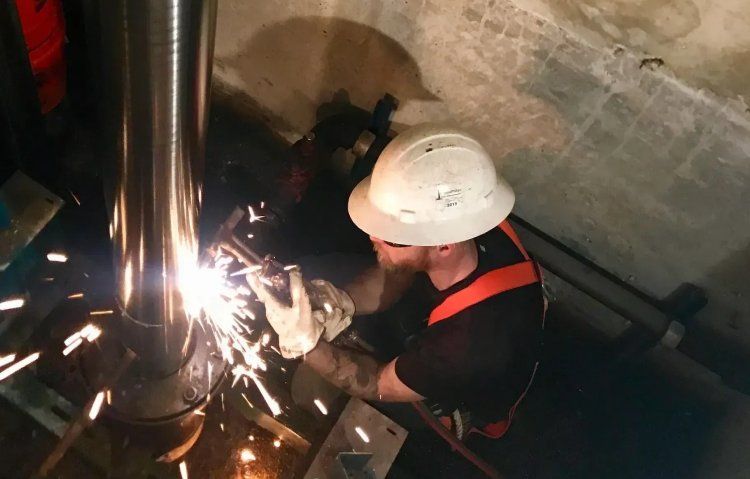
The cost of elevator modernization depends heavily on system configuration, installation era and mechanical condition. Older traction and hydraulic elevators often need major upgrades because their parts are outdated and hard to find.
Modernization considerations include
- Traction vs. hydraulic elevator systems
- Relay-based or early microprocessor controls
- Original machine-room layouts and clearances
- Cab size, door operators and leveling accuracy
- Structural limitations within historic buildings
Many downtown properties and medical campuses in San Antonio have older elevators that were installed years ago. These elevators need specific updates to improve their reliability without needing full replacement. Taking care of the basic infrastructure early can lower long-term costs and reduce the chances of unexpected shutdowns.
Scope of Modernization and Technology Selection
Modernization ranges from partial component upgrades to complete system overhauls. The broader the scope, the higher the initial investment—but also the greater the operational improvement and lifespan extension.
Common modernization scopes include
- Controller and dispatch system replacement
- Hoisting machine and motor upgrades
- Door operator modernization
- Cab interior and fixture upgrades
- Destination dispatch and smart controls
Selecting the right technology balances performance goals, energy efficiency, and budget constraints. Advanced microprocessor controllers, regenerative drives and intelligent dispatch systems significantly improve traffic flow in high-demand buildings common throughout San Antonio’s commercial corridors.
Safety Code Compliance and Regulatory Requirements
Elevator modernization must follow the current safety codes, ASME A17.1/CSA B44, and Texas state regulations. Upgrading for compliance is often a necessary part of the modernization costs.
Code-driven upgrades may include
- Door lock monitoring systems
- Emergency communication and lighting
- Fire service operation updates
- Seismic compliance improvements
- Rope gripper and braking enhancements
San Antonio requires property owners to keep accurate records and follow inspection and permit processes. By doing this, property owners can reduce the chance of legal problems and avoid failing inspections. This practice keeps occupants safe and ensures that building operations run smoothly without interruptions.
Cost Breakdown and Value Optimization for Elevator Modernization Projects
The cost of modernizing elevators in San Antonio can vary a lot. It depends on factors like the system's complexity, the type of building, and any customization needed. Breaking down the costs into clear categories helps with budgeting and makes decision-making easier.
Equipment, Labor and Permitting Costs Explained
Modernization budgets usually cover three main areas: buying equipment, paying skilled workers, and handling regulatory costs. Quality parts and experienced installation teams are crucial for ensuring good performance, reliability, and long-term value.
Primary cost categories include
- Controllers, drives, motors and safety devices
- Skilled technician labor and project management
- Testing, inspection and commissioning
- Permits, city approvals and compliance documentation
- Temporary elevator service strategies during upgrades
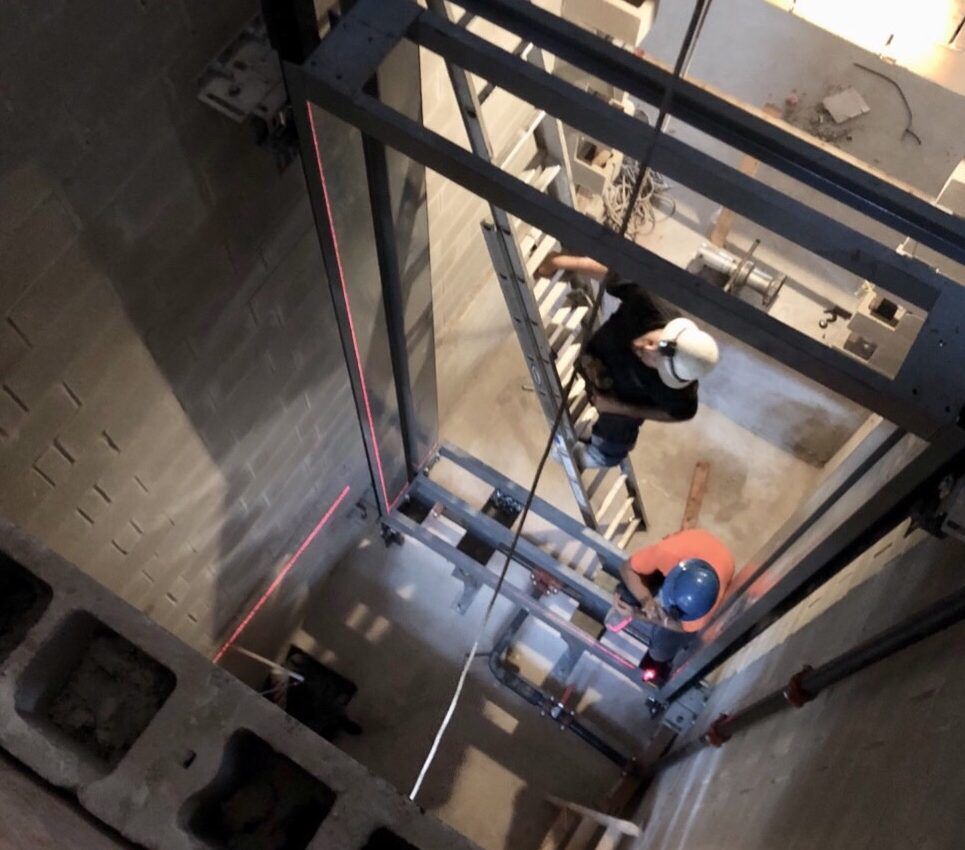
San Antonio's construction market is competitive, so efficient scheduling is essential. Proper planning reduces downtime, avoids penalties and keeps tenants happy during the modernization process.

Optional Features That Influence Overall Investment
Optional enhancements can make buildings more appealing, improve user experience and save energy. However, these upgrades also raise overall modernization costs. In commercial, hospitality and healthcare settings, these features often provide a strong return on investment.
Popular enhancements include
- Touchless or touchscreen operating panels
- Energy-efficient LED cab lighting
- Regenerative braking systems
- Cab interior redesigns and accessibility upgrades
- Smart monitoring and predictive maintenance tools
While optional, these upgrades differentiate properties in San Antonio’s growing real estate market and support higher lease rates, improved tenant satisfaction and reduced operational expenses over time.
Frequently Asked Questions
Property owners in San Antonio often want to know how much it costs to update an elevator. The cost usually ranges from $100,000 to $300,000 per elevator. The modernization project typically takes about 6 to 12 weeks to finish. Updating the elevator can also save a lot of energy by using new control systems and regenerative drives.
What is the typical cost range for modernizing elevators in San Antonio, TX based on different system types and ages?
We typically see elevator modernization costs ranging from $100,000 to $300,000 per elevator in San Antonio, with variations based on system type and age. Older hydraulic elevators are common in medical facilities and mid-rise buildings in San Antonio. They often have simpler mechanical systems, which means they usually fall on the lower end of the performance range.
Traction elevators in downtown high-rises and newer commercial buildings require more comprehensive upgrades. Control systems using relays from the 1970s and 1980s require replacing entire controllers. In contrast, early microprocessor systems may only need some parts updated.
Buildings over 30 years old frequently require additional structural modifications to accommodate modern safety codes. We estimate an additional 20-30% cost premium for elevators in San Antonio's historic downtown properties due to space constraints and specialized installation requirements.
What are the main factors that determine the price of an elevator modernization project in San Antonio, TX?
We found several key factors that affect modernization costs in San Antonio's different types of buildings. The type of elevator system is the main factor. Hydraulic elevators usually cost about 15-25% less to modernize than traction systems because their mechanical parts are simpler.
Building age and existing infrastructure condition directly influence project scope and complexity. If your property was built before 1990, it likely needs electrical upgrades. These updates are important to support modern control systems and improve safety features.
The level of modernization affects the total costs. Upgrades can range from just improving the controller to completely overhauling the system. We also factor in San Antonio's humid subtropical climate, which accelerates component deterioration and may require additional weatherproofing measures for machine rooms and electrical systems.
Code compliance requirements specific to Texas and San Antonio building standards add 10-15% to base modernization costs. Buildings serving medical facilities or accommodating high daily traffic volumes require enhanced safety systems and backup power integration.
What is the estimated timeframe for completing an elevator modernization project in a San Antonio-based building?
We usually finish elevator modernization projects in San Antonio within 6 to 12 weeks per elevator, depending on the project's size and the building's complexity. If the project involves only upgrades to the controller and door operator, it takes about 4 to 6 weeks to complete.
Comprehensive updates, such as replacing machines, upgrading cabs, and installing safety systems, take about 10 to 16 weeks to finish.Weather in San Antonio can affect outdoor crane work and rooftop installations. Severe thunderstorms or extreme heat warnings may cause delays in these projects.
Buildings in downtown San Antonio or medical campus environments require careful coordination with ongoing operations. We plan our work in phases to reduce disruption. This approach may extend the overall project time by 2 to 4 weeks, but it allows us to keep important vertical transportation available during busy hours.
How does elevator modernization contribute to energy efficiency and reduced operating costs?
We achieve 30-50% energy reductions through modernization projects that replace obsolete relay controls with microprocessor-based systems and variable frequency drives. San Antonio's hot climate and high cooling costs make energy-efficient elevators particularly valuable for building operating expenses.
Regenerative drive systems capture energy during elevator descent, feeding power back to the building's electrical grid. This technology proves especially beneficial in San Antonio's high-rise medical facilities and office towers with frequent traffic patterns.
Modern LED lighting, efficient motor controls, and standby mode programming reduce idle power consumption by up to 60%. We estimate annual energy savings of $2,000-8,000 per elevator in San Antonio's commercial buildings, with higher savings in facilities operating 24/7 like hospitals and hotels.
Can elevator modernization significantly extend the operational lifespan of an elevator system in San Antonio, TX?
We routinely extend elevator operational life by 15-25 years through comprehensive modernization programs in San Antonio properties. Modern control systems, updated safety components, and improved maintenance protocols dramatically reduce breakdown frequency and component failure rates.
San Antonio's humid climate and temperature fluctuations accelerate wear on mechanical components, making modernization particularly effective at combating environmental deterioration. Updated sealing systems, climate control improvements, and corrosion-resistant materials address local environmental challenges.
Modernizing elevators can cut emergency service calls by 70-80% and reduce unexpected downtime. This improvement is important for San Antonio's tourism industry, where hotel guests and visitors to the convention center expect smooth and reliable elevator service.
What are the long-term benefits of elevator modernization for property owners in San Antonio's real estate market?
We observe significant property value increases ranging from 3-7% for buildings with modernized elevator systems in San Antonio's competitive real estate market. Modern elevators enhance tenant satisfaction and reduce vacancy rates in commercial and residential properties.
Upgrading systems fixes parts availability issues found in older models and can lower annual maintenance costs by 40-60%. With San Antonio's growing population and booming development, having reliable elevators is crucial for attracting good tenants and keeping rental prices competitive.
Insurance premiums often decrease following modernization due to improved safety systems and reduced liability exposure. We also see faster lease-up times and higher tenant retention rates in buildings with modern, efficient elevator systems that meet current accessibility standards and user expectations.
Take the Next Step Toward Smarter Elevator Performance
Elevator modernization in San Antonio, TX is more than an upgrade—it is a strategic decision that enhances safety, efficiency and property value. By understanding costs, compliance requirements and technology options, property owners gain control over long-term performance and operational expenses.
Schedule a professional assessment today to receive a clear cost breakdown, tailored upgrade strategy, and expert guidance designed to keep your building competitive, compliant and reliable for years to come.