
Hydraulic Elevator Modernization Services in San Antonio, TX: Upgrading Aging Systems for Better Performance and Compliance
Hydraulic elevators are used in many places, including businesses, apartment buildings, healthcare facilities, and industrial sites in San Antonio. When older elevators have issues like problems leveling, frequent breakdowns, or high maintenance costs, updating them is usually a better choice than replacing them entirely.
Modernizing aging hydraulic elevator systems with contemporary controls, energy-efficient components, and enhanced safety features can prolong the lifespan of the equipment, lower operating costs, and boost reliability—all without the need to install a completely new system. We offer hydraulic elevator modernization services throughout San Antonio, which include everything from replacing controllers and upgrading control panels to modernizing hydraulic power units and conducting thorough equipment overhauls.
San Antonio is growing quickly in areas like commercial real estate, housing, healthcare, education, industrial properties, and mixed-use developments. This growth leads to a higher demand for safe, reliable, and efficient elevator performance. As a result, building owners, property managers, and facility operators are investing more in upgrading hydraulic elevators. These upgrades help elevators last longer, improve the experience for passengers, reduce maintenance costs, and meet current safety codes.
Call Us 210-277-7772
Commercial Hydraulic Elevator Modernization Services
Modern elevator systems make buildings run better, keep tenants happy, and improve long-term value. Our programs focus on upgrading old hydraulic elevators. We aim to do this with minimal disruption while maximizing return on investment for property owners.
Hydraulic Elevator Control System Modernization
A modern control system is important for the reliable operation of elevators. Old control systems can cause breakdowns, leveling issues, and uneven performance. We improve hydraulic elevator control systems by replacing outdated equipment with new digital technology. This upgrade helps the elevator respond faster and work more efficiently.
We upgrade elevator controllers and control panels to improve how elevators manage traffic and find issues. These upgrades modernize commercial elevators and help them last longer.
Benefits include:
- Advanced elevator control system upgrades
- Elevator controller replacement and modernization services
- Modern elevator control panel improvements
- Comprehensive elevator electrical system modernization
- Enhanced diagnostic and monitoring capabilities
- Reduced elevator downtime and service interruptions
- Faster system response and operational efficiency
- Improved passenger comfort and experience
- Smarter traffic flow and building movement management
- Extended elevator lifecycle and long-term asset performance
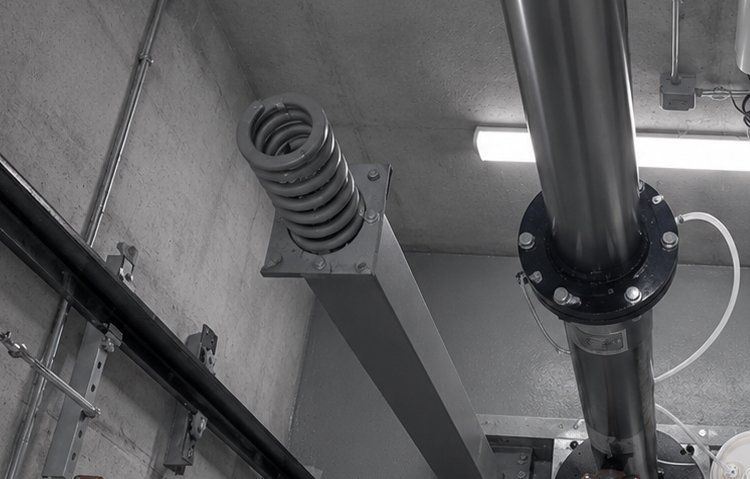
Hydraulic Power Unit Modernization and Equipment Upgrades
Hydraulic power units wear out over time. Old pumps, motors, valves, and other parts can lower performance and increase energy use. Our solutions for modernizing hydraulic elevators help solve these problems by replacing outdated equipment and upgrading systems.
We evaluate each system on its own and suggest specific improvements to increase efficiency and reliability. Updating hydraulic elevators and replacing power units often leads to better performance right away and lowers maintenance needs.
Services may include:
- Hydraulic power unit upgrade and modernization
- Hydraulic elevator pump replacement services
- Hydraulic elevator valve replacement and tuning
- Elevator equipment upgrade and replacement solutions
- Elevator performance enhancement improvements
- Elevator efficiency optimization upgrades
- Energy-efficient elevator modernization solutions
- Hydraulic lift system modernization services
- Hydraulic elevator control system upgrades
- Elevator ride quality improvement and smoothing systems
Call Us 210-277-7772
Hydraulic Elevator Modernization for Commercial and Industrial Properties
Different facilities require specialized modernization strategies. We customize every elevator modernization project based on building type, traffic demands, occupancy levels, and operational goals.
Hydraulic Elevator Modernization for Commercial Buildings
Commercial properties depend on reliable elevators. Office buildings, retail centers, mixed-use developments, and apartment communities need efficient elevators to keep tenants happy and maintain smooth daily operations.
Our hydraulic elevator modernization services make your system work better. We upgrade old technology, ensure you meet safety codes, and cut down on inefficiencies. We help you avoid expensive replacement projects by showing you when modernization is still a good choice.
Common applications include:
- Hydraulic elevator upgrade solutions for office buildings
- Hydraulic elevator upgrade services for apartment buildings
- Hydraulic elevator modernization for condominium properties
- Hydraulic elevator improvement for retail centers and shopping facilities
- Commercial elevator system upgrade programs
- Elevator modernization services for commercial properties
- Elevator system upgrade solutions for mixed-use developments
- Elevator modernization services for corporate campuses and business parks
Hydraulic Elevator Modernization for Industrial Facilities
Industrial facilities need strong elevator systems that can handle tough work conditions. Warehouses, manufacturing plants, distribution centers, and logistics operations depend on reliable equipment to keep everything running smoothly.
We upgrade hydraulic elevators in industrial facilities to make them stronger, safer, and more efficient. First, we check the hydraulic systems, electrical parts, communication systems, and safety features. Then, we create custom plans for modernization based on what we find.
Industrial modernization benefits include:
- Hydraulic elevator modernization for industrial facilities
- Elevator machine room modernization and upgrades
- Commercial elevator equipment modernization improvements
- Elevator communication system upgrades and integration
- Emergency elevator communication system enhancements
- Elevator safety modernization and compliance services
- Elevator reliability improvement solutions
- Elevator technology upgrade implementations
- Elevator system performance upgrades
- Commercial elevator code compliance modernization services
Hydraulic Elevator Safety, Compliance, and Lifecycle Extension
Modernization is not only about improving performance. It also helps property owners address changing regulations, improve passenger safety, and extend the useful life of critical building assets.
Hydraulic Elevator Safety Modernization and Code Compliance Upgrades
Safety regulations change over time. Older hydraulic elevators often do not have the safety features needed for safe operation. Our upgrades to hydraulic elevators enhance safety and help owners meet current requirements.
We perform detailed assessments and identify opportunities for modernization that support passenger protection and long-term compliance objectives.
Safety upgrades may include:
- Elevator safety enhancement systems
- ADA-compliant elevator accessibility upgrades
- Hydraulic elevator code compliance improvements
- Elevator communication system modernization
- Emergency communication system upgrades
- Elevator signal fixture modernization and replacement
- Elevator door operator upgrades and modernization
- Elevator leveling accuracy calibration and improvement
- Elevator compliance evaluation and modernization services
- Elevator safety inspection and compliance review services
Hydraulic Elevator Modernization vs. Replacement
Many owners wonder if it’s better to modernize or replace their elevators. In many cases, modernizing hydraulic elevators can improve performance significantly while costing much less than a replacement.
We assess elevator modernization by checking the equipment's condition, maintenance history, performance trends, and expected lifespan. This information helps us decide on the most cost-effective way to move forward.
Factors we evaluate include:
- Hydraulic elevator upgrade cost analysis
- Hydraulic elevator upgrade estimate review
- Elevator system upgrade project planning
- Elevator engineering and consulting services
- Elevator project management coordination
- Elevator modernization design and planning services
- Hydraulic elevator upgrade vs replacement assessment
- Hydraulic elevator lifecycle extension strategies
- Elevator upgrade planning consultation process
- Elevator upgrade recommendations for mid-rise buildings evaluation
Frequently Asked Questions
Modernizing hydraulic elevators requires careful decisions about components, timelines, costs, and compliance. The following answers address common questions from building owners and facilities managers in San Antonio.
What are the most common signs that an aging hydraulic elevator should be modernized rather than repeatedly repaired?
Frequent breakdowns are one of the clearest indicators. If your elevator requires the same repairs on a repeating cycle, the underlying equipment has likely reached the end of its effective service life.
Leveling problems are another reliable sign. When a hydraulic elevator consistently stops above or below the floor threshold, the control system or hydraulic valve assembly is often the root cause.
Other common indicators include:
- Slow door response or frequent door-related calls — door operator components wear over time and affect cycle reliability
- Rising maintenance costs year over year — spending more annually on repairs than a modernization would cost is a practical threshold many building owners use
- Difficulty sourcing replacement parts — obsolete controllers and hydraulic components from discontinued product lines create extended downtime
- Oil leaks or hydraulic fluid contamination — aging cylinder seals and hydraulic hoses degrade and introduce both safety and environmental risks
- Passenger complaints about rough rides or slow response — these often point to worn hydraulic components or outdated control logic
When repairs no longer restore consistent performance, modernization addresses the root cause rather than the symptom.
Which components are typically upgraded during a hydraulic elevator modernization project, and what does each upgrade improve?
A hydraulic elevator modernization project can address individual components or the entire system depending on equipment age and condition. We assess each system before recommending a scope of work.
Control system and controller: Replacing the elevator controller with a modern digital unit improves how the elevator handles traffic, levels accurately, checks for faults, and saves energy. Older relay-based controls have limited ability to diagnose issues and are more likely to fail intermittently.
Hydraulic power unit: The power unit includes the pump, motor, and reservoir. Upgrading this unit saves energy, improves how the fluid temperature is managed, and ensures consistent lift performance.
Hydraulic valve: The valve controls the flow of hydraulic fluid, which affects how accurately the machine levels. A new valve unit reduces the difference in levels between floors and improves how precisely the machine stops.
Door operator and door equipment: Modern door operators reduce door-related service calls, improve cycle reliability, and support updated safety edge technology.
Cab interior and fixtures: Control panels, lighting, flooring, and interior finishes can be replaced as part of a modernization scope to meet current aesthetic and functional standards.
Safety components: Pit switches, governor systems, and emergency communication devices are frequently upgraded to meet current code requirements during the same project.
How long does a hydraulic elevator modernization project usually take, and what factors can extend the schedule?
A focused upgrade, like replacing a controller or hydraulic valve, usually takes one to three days to complete. A more extensive update, which includes the power unit, controller, door equipment, and cab interior, generally takes one to two weeks.
Several factors can affect the schedule:
- Parts lead times — specialized components for less common hydraulic systems may require longer procurement timelines
- Building access restrictions — healthcare facilities, hotels, and residential buildings often require work to be performed during specific hours, which extends the overall project duration
- Discovery of additional deficiencies — inspections during teardown sometimes reveal wiring deficiencies, pit flooding, or structural issues that require resolution before modernization can proceed
- Permit and inspection scheduling — San Antonio requires elevator permits and inspections that are subject to the availability of licensed inspectors
We coordinate with building owners and facilities managers early in the planning process to identify scheduling constraints and reduce the chance of unexpected delays.
How can modernization improve ride quality, leveling accuracy, and overall reliability for a busy building?
Ride quality in a hydraulic elevator is largely determined by the condition of the hydraulic valve, the pump assembly, and the control system. Worn valves allow inconsistent fluid flow, which creates rough starts and stops. Replacing the valve and upgrading the controller restores smooth, consistent movement.
Leveling accuracy depends on how well the control system reads the car's position and controls the hydraulic valve. Modern digital controllers use encoders to track the car's position accurately. This helps the car stop within a few millimeters of the landing. As a result, it reduces trip hazards and ensures compliance with ADA requirements.
Reliability improves because modern components have lower failure rates and provide fault data that allows technicians to identify developing issues before they cause downtime. Older relay-based systems provide little diagnostic information, which means problems are often discovered only after the elevator stops working.
For a high-traffic building, these improvements translate directly into fewer service calls, less tenant disruption, and lower annual maintenance spending.
What safety and code-compliance upgrades are often included to meet current standards and improve passenger protection?
Hydraulic elevator modernization projects frequently include safety upgrades that bring equipment into compliance with the current edition of ASME A17.1, the Safety Code for Elevators and Escalators, as well as Texas state elevator regulations administered through the Texas Department of Insurance.
Common safety upgrades include:
- Emergency communication systems — two-way communication devices that meet current ADA and ASME requirements for passenger communication during an entrapment
- Door reopening devices — light curtain or 3D sensor systems that replace older mechanical safety edges and provide more reliable door obstruction detection
- Pit safety equipment — pit lighting, pit stop switches, and ladder configurations that meet current code minimums
- Firefighters' emergency operation — updated Phase I and Phase II firefighters' service controls that comply with current ASME and local fire code requirements
- Oil containment systems — containment measures for hydraulic fluid that address environmental protection requirements for underground cylinder installations
- Governor and safety system inspection or replacement — verification or upgrade of overspeed protection components
We identify applicable code requirements during the initial assessment and include required upgrades as part of the modernization scope.
Upgrade Your Hydraulic Elevator System Today
Aging elevator equipment should not limit building performance, tenant satisfaction, or operational efficiency. Our hydraulic elevator modernization services provide practical, cost-effective solutions that improve reliability, safety, compliance, and long-term value. Whether you need elevator controller replacement, hydraulic power unit modernization, elevator safety upgrades, or a complete hydraulic elevator modernization project, we are ready to help.
Contact us today to request a hydraulic elevator modernization quote and discover how modern technology can transform your elevator system for years to come.