
How to Choose Between Hydraulic and Traction Elevators for Mid-Rise Buildings
Choosing the right elevator system can significantly impact the performance, efficiency, and long-term operating costs of a building. Property owners, developers, architects, and facility managers often compare hydraulic and traction elevators when planning mid-rise commercial, residential, healthcare, hospitality, educational, and industrial facilities. While both technologies serve the same purpose, each offers unique advantages that make it better suited for specific applications.
In San Antonio, a rapidly growing city, having an effective vertical transportation system is crucial for a variety of properties, including commercial buildings, mixed-use developments, apartments, healthcare facilities and offices. Elevators are important for several reasons. They help keep people happy, make buildings accessible, improve how buildings operate, and increase property value.
Building owners need to know the differences between hydraulic and traction elevators. Understanding these differences will help you make better choices for your property. Think about how many people will use the elevator, the long-term costs, energy efficiency, and any upgrades you may need in the future. This guide will help you pick the best elevator system for your mid-rise building project.
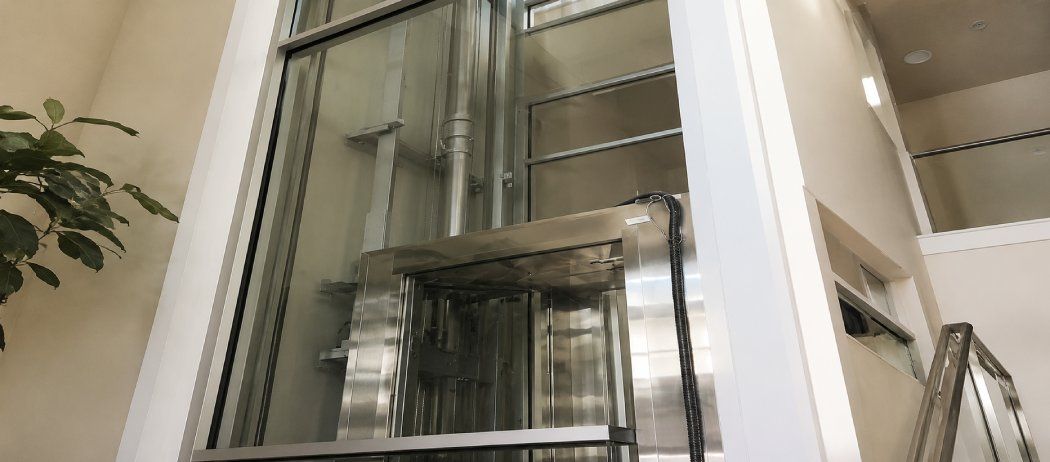
Understanding the Difference Between Hydraulic and Traction Elevator Systems
Choosing the right elevator starts with knowing how each type works. Hydraulic and traction elevators use different technologies. This leads to different maintenance needs and performance levels. As a result, they fit different buildings and operational needs.
How Hydraulic Elevators Work and Where They Perform Best
Hydraulic elevators move up and down using hydraulic fluid and a piston. They have been reliable for many years and are still popular in low-rise and some mid-rise buildings because of their simple design.
Building owners often choose hydraulic elevators when their installation budgets are limited and the travel heights are moderate. These elevators typically need a machine room and usually cost less to install than traction elevators.
Key advantages of hydraulic elevators include:
- Lower upfront equipment costs
- Simplified mechanical systems
- Reliable operation
- Smooth ride quality
- Effective performance for moderate-rise buildings
- Easier installation in certain building designs
Hydraulic systems are used in office buildings, apartment complexes, schools, and smaller healthcare facilities. These places have manageable passenger traffic throughout the day.
How Traction Elevators Deliver Speed and Efficiency
Traction elevators move people between floors using electric motors, pulleys, and ropes or belts. People like modern traction elevators because they are fast, energy-efficient, and can carry many passengers at once.
Traction systems work best for busy commercial properties and large developments. They improve performance over time. Their control systems cut wait times and help traffic flow smoothly during rush hours.
Benefits of traction elevators include:
- Faster travel speeds
- Improved energy efficiency
- Reduced operating expenses
- Better handling capacity
- Enhanced passenger comfort
- Greater suitability for taller buildings
One elevator industry joke says elevators should be like excellent Wi-Fi—you only notice them when they stop working. Fortunately, proper planning helps prevent both problems.
Key Factors to Consider When Choosing an Elevator System
Several factors affect the choice of elevator systems. A careful evaluation helps you find the best technology for your building's needs, budget, and long-term plans.
Building Height, Traffic Demands, and Passenger Flow Requirements
Building characteristics play a major role in determining the ideal elevator system. Height, occupancy levels, and traffic patterns directly affect elevator performance expectations.
During elevator traffic analysis, consultants evaluate:
- Number of floors served
- Daily passenger volume
- Peak traffic periods
- Occupancy projections
- Waiting time expectations
- Future expansion plans
Traction elevators often perform better in buildings with significant passenger demand, while hydraulic elevators may provide excellent service for properties with moderate traffic requirements.
Understanding how buildings are utilized is essential for preventing systems from underperforming. It also helps ensure that elevators and other vertical transportation can be used efficiently throughout the building's lifespan.
Installation Costs Versus Long-Term Ownership Expenses
When choosing between hydraulic and traction elevators, property owners often focus on installation costs. While these costs are important, the overall lifecycle costs usually have a bigger impact on long-term budgets.
A thorough cost evaluation typically considers:
- Initial equipment costs
- Installation expenses
- Energy consumption
- Maintenance requirements
- Repair frequency
- Modernization planning
Traction elevators generally require higher initial investments but often produce lower operational expenses over time. Hydraulic systems may offer immediate savings but can experience higher energy consumption depending on usage patterns.
Why Elevator Consulting and Planning Services Matter
Elevator consulting services help building owners by giving clear recommendations. These recommendations are based on engineering assessments, operational needs, and financial factors. Effective planning lowers risks and improves long-term results.
Elevator System Evaluations Improve Decision-Making
An elevator system evaluation identifies the best technology for a building. Consultants use data to compare performance, costs, and efficiency instead of making assumptions.
A comprehensive evaluation may include:
- Elevator traffic studies
- Capacity analysis
- Energy assessments
- Lifecycle cost evaluations
- Compliance reviews
- Equipment recommendations
These services provide building owners with confidence that their investment aligns with both current and future building needs.
Modernization Planning Protects Long-Term Building Value
All new elevators need upgrades. Building owners should plan these updates ahead of time. This will help control costs and ensure that elevators remain safe and reliable.
Modernization consulting often focuses on:
- Equipment lifespan forecasting
- Technology upgrades
- Energy efficiency improvements
- Compliance enhancements
- Reliability optimization
- Budget planning
Proactive modernization strategies help extend equipment life and reduce the likelihood of costly emergency repairs.
Get Expert Guidance for Your Elevator Selection Project
Choosing between hydraulic and traction elevators affects your building's performance, tenant satisfaction, energy use, and maintenance costs. Our elevator consulting team offers tailored services, including system evaluations, traffic studies, feasibility assessments, and modernization planning, to meet your project goals.
Contact us today to schedule an elevator consultation. We can help you find the best vertical transportation solution for your mid-rise building, commercial property, industrial facility, or new development project.